

Does It Really Work?
Introducing The Skin Series: A New Monthly Column With Dr. Leena Ramani MD

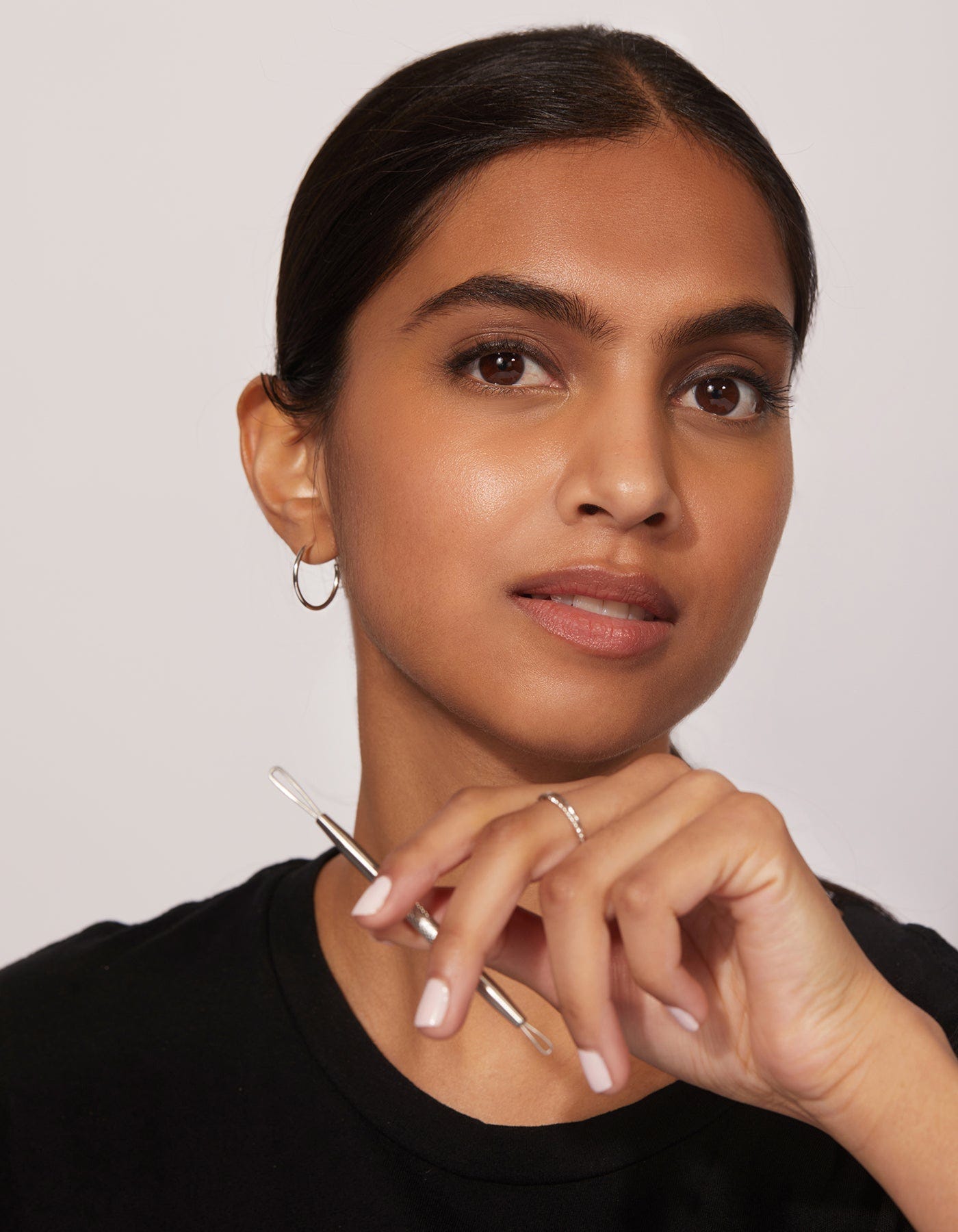
This is a new column designed to answer all my burning questions and yours about what is actually possible in the new anti-aging world of dermatology, especially when it comes to lasers, red light therapy, hair removal, resurfacing, and everything in between. It can feel incredibly confusing, so I am starting this series with Dr. Leena Ramani, whom I met when she was in medical school and who now has a beautiful practice in Jupiter, Florida. She has long been my go-to for what is truly new, what actually works, and what does not.
Like many of you, I listen to far too many Instagram claims about what has supposedly transformed someone’s skin, and honestly, I often feel more confused than informed. I have written about skincare before and you know I love it. It is still my go-to, and up until now BBL has been my choice for treating spots, though I know there is much more on the market.
So here are some of my questions. I cannot wait to hear yours, and we will get Dr. Leena to weigh in.

Have you heard of peptides for the neck, and is there real evidence behind them?
Yes and yes, but with some important considerations!
Peptides are short chains of amino acids, which are the building blocks of proteins. In the skin, the most important structural proteins are collagen, elastin, and keratin. One reason peptides became popular in skincare is that, unlike topical collagen (which is too large of a molecule to penetrate the skin) peptides are small enough to be absorbed through elegant serums.
Neck aging is driven by several factors: The skin on the neck is naturally thinner than facial skin and contains fewer sebaceous (oil) glands, which means it produces less natural moisture. This makes the area more prone to dryness, barrier disruption, and early wrinkle formation. In addition, repetitive folding from frequent downward movements creates mechanical creasing over time (think “tech neck”). Combined with gradual collagen and elastin loss, these factors lead to the crepey texture, fine lines, and laxity commonly seen as the neck ages.
Certain peptides are designed to target these changes:
Matrixyl 3000 (Palmitoyl Tripeptide-1 + Palmitoyl Tetrapeptide-7): These are signaling peptides that communicate with fibroblasts to increase collagen and elastin production, helping improve the appearance of fine lines and skin texture over time.
Argireline (Acetyl Hexapeptide-8): Often called a “Botox in a bottle,” it works by partially inhibiting neurotransmitters involved in muscle contraction, which may soften the appearance of expression lines.
That said, peptides shouldn’t replace retinoids. Retinoids still have the strongest body of evidence for stimulating collagen production and improving skin quality long term. Prescription retinoids can sometimes be irritating on the thinner neck skin, so gentler over-the-counter retinoid formulations are often better tolerated in this area.
In my opinion, you’d want to incorporate both peptides and retinoids into your neck routine. The key is also having realistic expectations: topical peptides can support skin quality and provide subtle improvements, but their effects are not comparable to procedural collagen stimulation through energy-based devices or in-office treatments. Prevention goes a long way - consistent sun protection, daily SPF use, and spending less time looking down at your phone can make a meaningful difference.

As we lose collagen from aging, weight loss, or GLP use, is there anything that genuinely brings it back- or are we chasing false promises?
Collagen loss is a real phenomenon. We naturally lose about 1% of our collagen every year starting in our mid-20s, and a number of things can accelerate that process - especially UV exposure, rapid weight loss, cigarette smoking, chronic inflammation, and hormonal changes.
When we look at an aging face, collagen loss is only one piece of the puzzle. Aging is actually a combination of collagen loss, fat loss, and even bone remodeling. That’s important because many people are attributing facial changes from GLP-1 medications purely to collagen loss, when in reality these medications primarily cause fat loss, which changes facial volume and structure more than collagen itself.
Unfortunately, collagen loss is not reversible in the same way muscle loss is. You can’t simply “replace” collagen by adding it back in. Instead, the best treatments focus on stimulating your skin to produce new collagen.
Topically: Retinoids still have the largest and strongest body of evidence showing increased collagen production and improved dermal architecture over time. They work by increasing cell turnover and signaling fibroblasts to make new collagen.
The good news is that retinoid technology has evolved significantly. Prescription strength is not always necessary or tolerated by everyone. Modern formulations — including lower-strength retinoids or combinations with ingredients like lactic acid or other gentle exfoliating acids — can improve penetration while maintaining tolerability, which often leads to better long-term adherence. And consistency matters far more than strength.
Peptides: Peptides, like mentioned above, also encourage collagen production. Some studies show modest improvements in skin texture and fine lines with consistent use. For those whose skin simply cannot tolerate retinoids, peptides are a great alternative but they are not powerful enough on their own to rebuild significant collagen loss.
Fillers: Biostimulatory injectables like Sculptra work differently from traditional fillers. Rather than adding volume immediately, they trigger an inflammatory response that encourages your body to gradually produce new collagen over several months. This is one of the few interventions where we truly see meaningful collagen stimulation clinically, especially for diffuse volume loss.
Devices: Energy-based devices and procedures are another major category. Treatments like fractional resurfacing lasers, radiofrequency microneedling, and other collagen-induction therapies work by creating controlled micro-injury in the skin - wound healing is one of the strongest triggers for new collagen formation. These treatments tend to produce more measurable collagen remodeling than topical products alone.
You ask about ingesting collagen. This is probably the area with the most marketing and the least convincing evidence. When you ingest collagen, it’s broken down into amino acids during digestion, into the same building blocks you would get from dietary protein. Some studies show improvements in skin hydration or elasticity, but we do not have strong evidence that oral collagen supplements can meaningfully regenerate or replace lost collagen in the skin.
My product recommendations:
Mae Love Forever Firm Peptide Neck Cream - this rich, hydrating cream contains argiriline, matrixyl 3000, and copper tripeptide 1 (another peptide that boosts collagen and offers anti-inflammatory and antioxidant benefit)
Remedy for Healthy Aging - While this product is technically for the face, it contains 4 powerhouse ingredients including retinol, retinaldehyde, matrixyl 3000 and argiriline in 1. We often say extend your skincare from your face to the neck but be careful if you try it with this one - the double combo of retinol and retinaldehyde may be irritating for some on the delicate neck skin
Roc Skincare Retinol Firming Serum Stick - This stick contains a gentle strength of retinol and comes in a convenient stick form for application to the neck. It also contains anti-oxidants and THPE for an instant tightening effect
Love this, great info!!! Wondering if you have some product recommendations from Dr. Leena for the best over the counter gentle low dose retinoids that she mentions.
Rosacea recommendations please and thank you !!!